Drowning Prevention in Southern Africa
Southern African families face the world's highest regional drowning burden. Global WHO evidence shows what works: safer environments, water-safety education and early swimming skills can prevent these deaths.
The Scale of It
A preventable tragedy, repeating every hour
In December 2024, the World Health Organization released its first-ever Global Status Report on Drowning Prevention — the most comprehensive analysis of drowning mortality ever produced, drawing on data from 139 nations. Its findings are both encouraging and deeply alarming.
Drowning deaths worldwide every year
People drown every single hour, every day of the year
Requires multiple layers of protection

Who It Takes
Drowning is, overwhelmingly, a tragedy of the young
Children under 5
Account for nearly a quarter of all global drowning deaths — around 75,000 children every year.
Children under 15
Represent 43% of the global drowning burden — approximately 130,000 deaths in 2021 alone.
Young people under 29
More than half of all drowning deaths occur among people below the age of 29.
A leading cause of death
Drowning is the 4th leading cause of death in children aged 1–4 globally, and the 3rd in children aged 5–14.
An Unequal Burden
Where you are born changes your odds
Over 90% of all global drowning deaths occur in low- and middle-income countries, where death rates are more than three times higher than in high-income nations.
This is not a matter of geography. It is a matter of access — to swimming education, to safe aquatic facilities, and to community-level prevention programmes.
Of drowning deaths happen in low- and middle-income countries
Africa is the hardest-hit region on the planet
The WHO African Region has the highest drowning death rate of any region on earth.
Africa's drowning rate has barely moved — compared with a 68% decline in Europe over the same period.
Only 15% of African countries have a national drowning prevention strategy.
This is exactly why our community work exists.
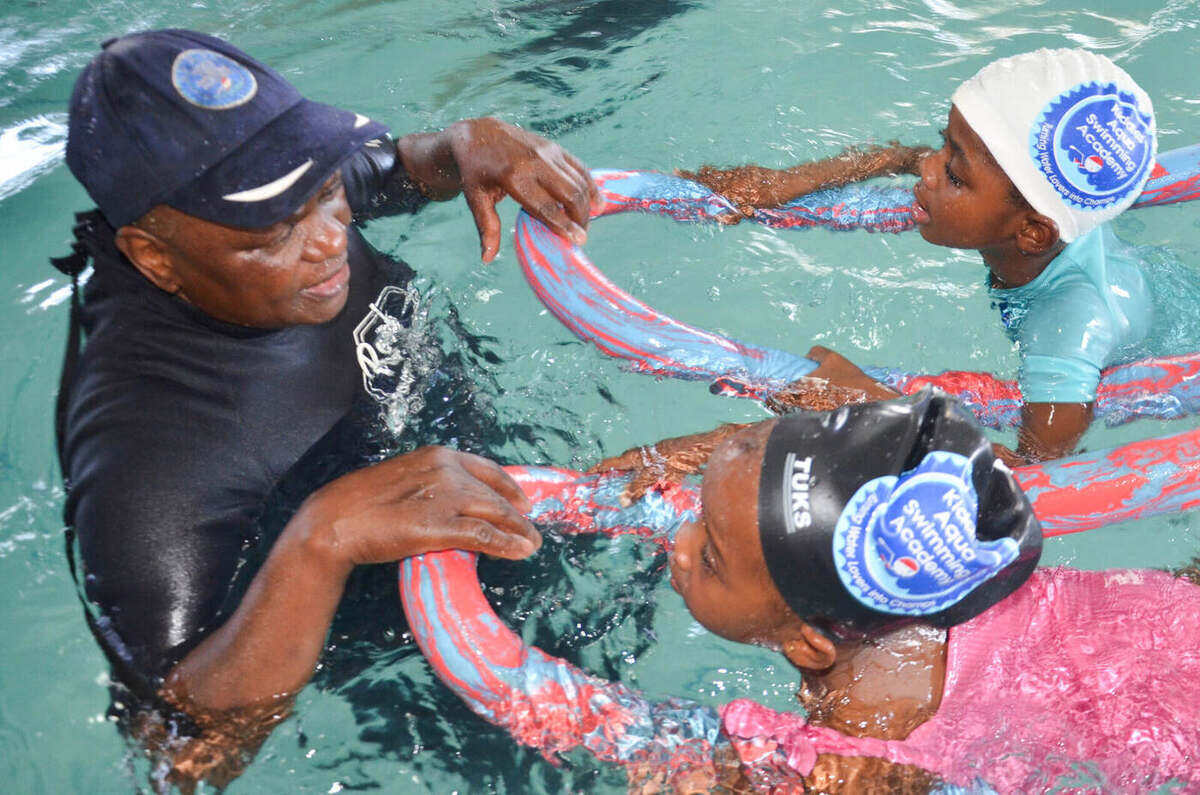
We privately fund, staff and deliver free swimming and water-safety lessons across South African townships, schools and rural communities — making Africa water safe.
The crisis is on our doorstep
People drown in South Africa every year — one of the country's top five causes of unintentional death
Of them — roughly one in three — are children under 14: on average more than one child every single day
Children under five are most at risk — most drown in shallow water within 20 metres of home, often in seconds and without a sound
Boys drown far more often than girls, and KwaZulu-Natal carries the highest toll. The World Health Organization recommends multiple prevention measures, including barriers, supervision and basic swimming and water-safety education for school-aged children and adults.
Sources: National Sea Rescue Institute (NSRI); ChildSafe South Africa; Statistics South Africa; WHO Global Status Report on Drowning Prevention, 2024.
If Nothing Changes
7.2 millionIf current trends continue unchanged, more than 7.2 million people — mainly children — will die by drowning by 2050. This is not inevitable. It is preventable.
The Good News
Drowning prevention needs layers of protection
The evidence is unambiguous: drowning is preventable through structured swimming education, supervision, access barriers, and community-level water safety programmes.
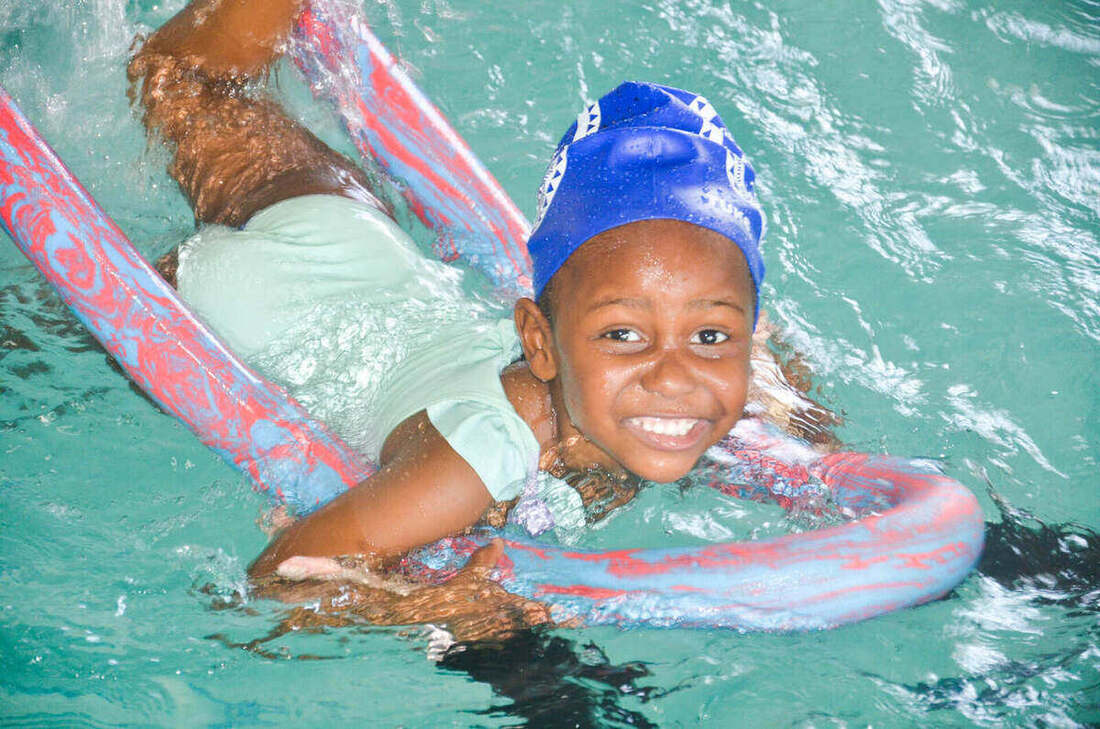
"Teaching school-aged children and adults basic swimming and water safety skills" is one of the WHO's top-ranked, evidence-based interventions — cited in Resolution 76.18 of the World Health Assembly (2023). It is exactly what we do, every single day, across 16 branches in South Africa and Namibia.
Give your child the ultimate life skill
Swimming lessons support water skills, but no child is drown-proof and lessons do not guarantee survival. Active adult supervision and secure barriers remain essential. Your first lesson is free — no joining fee, no commitment.
Source: WHO Global Status Report on Drowning Prevention, 2024.